
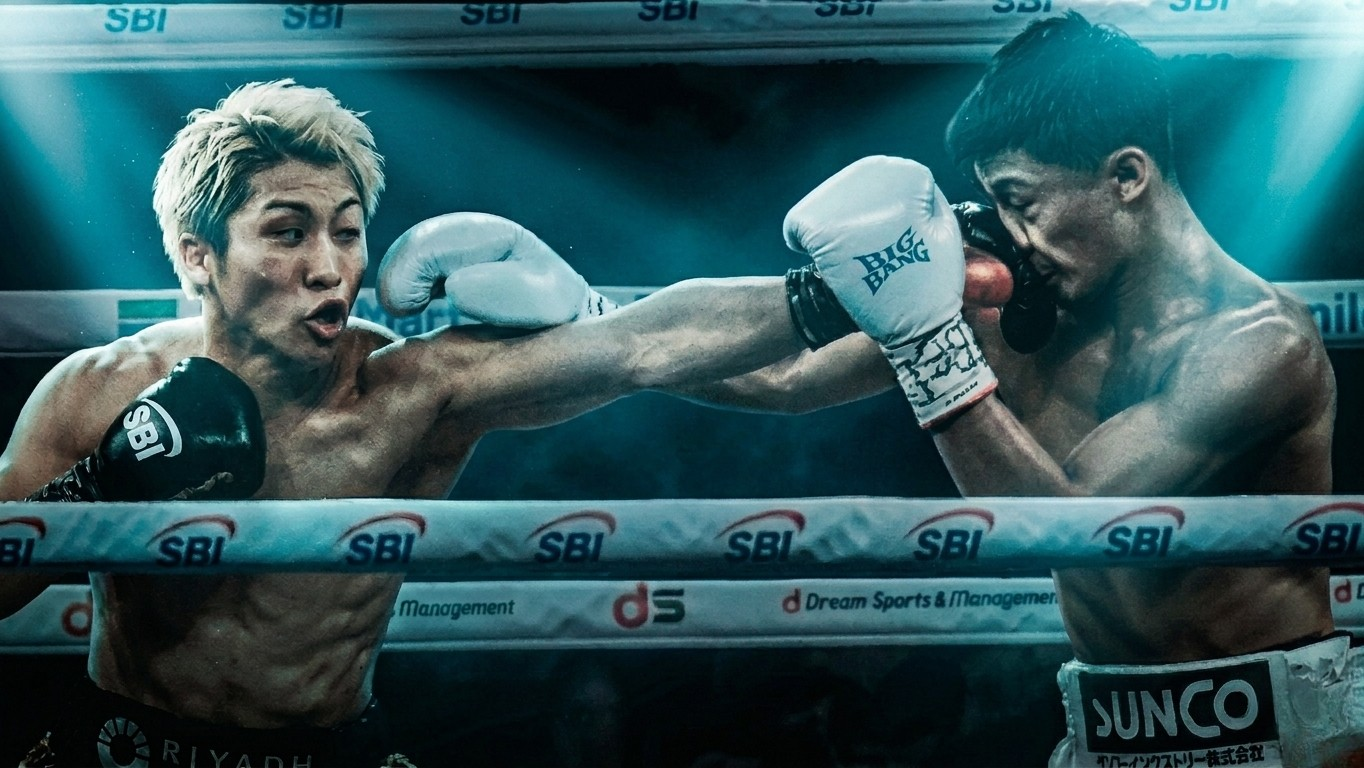
Naoya Inoue has spent years turning elite fighters into footnotes, but Junto Nakatani refused to shrink. Their twelve‑round meeting wasn’t a demolition, it was a duel, a technical argument fought at high speed, where every adjustment mattered and every mistake carried a price.
From the start, Nakatani’s wide stance disrupted the champion’s rhythm. It forced Inoue to reach, to leap, to take risks he normally doesn’t need. When Nakatani jabbed, he found success, just not often enough to control the geography of the ring. Inoue, meanwhile, kept probing, kept jumping in, and occasionally paid for it. By the third, Nakatani timed him clean with a jab, a reminder that even monsters can be caught mid‑pounce.
But champions adjust. Inoue began layering his offense; tripling the jab, cornering more intelligently, mixing body shots with sharp hooks. Still, Nakatani refused to fold. He answered combinations with combinations, pinned the champion on the ropes, and built confidence through the middle rounds. His best work came in the ninth and tenth, where he let his hands go freely and scored cleanly. A cut opened on the challenger after a clash of heads.
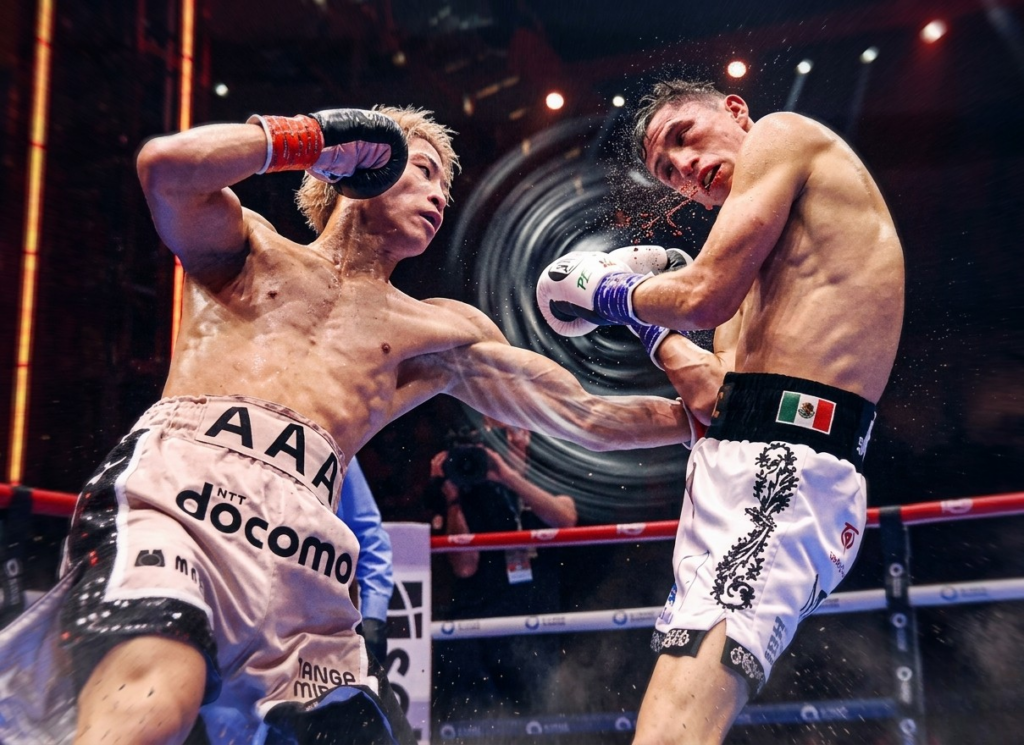
The fight’s turning point came in the eleventh. Inoue snapped Nakatani’s head back, hurt him to the body, and reopened the cut over the eye. It was the kind of late‑fight surge that separates great fighters from merely talented ones. Nakatani fought bravely in the twelfth, landing two sharp lefts, but the champion had already reclaimed the narrative.
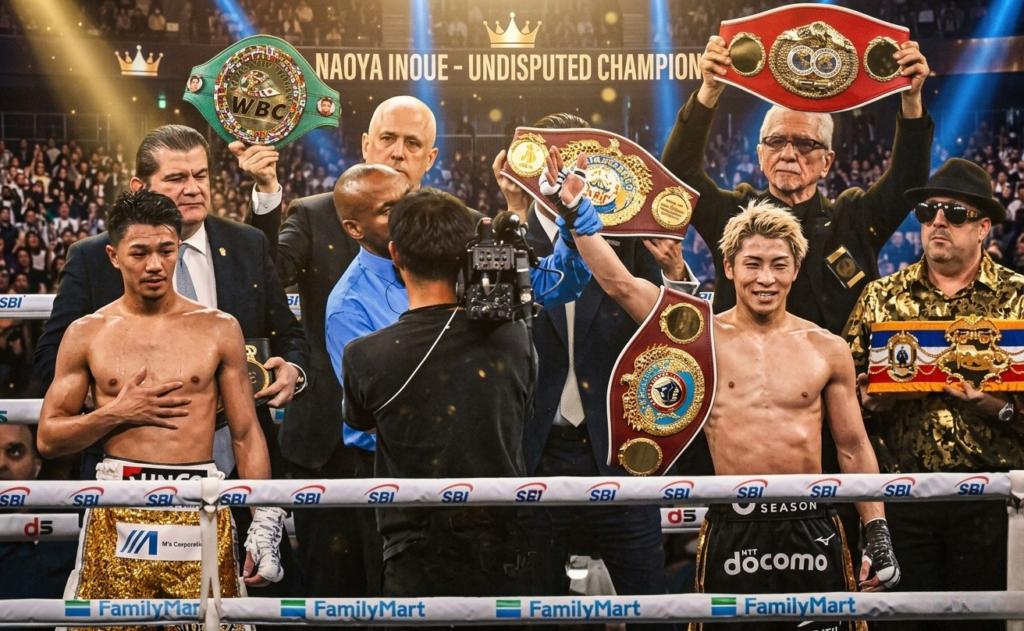
The judges saw it clearly: 116–112, 116–112, 115–113, all for Naoya Inoue.
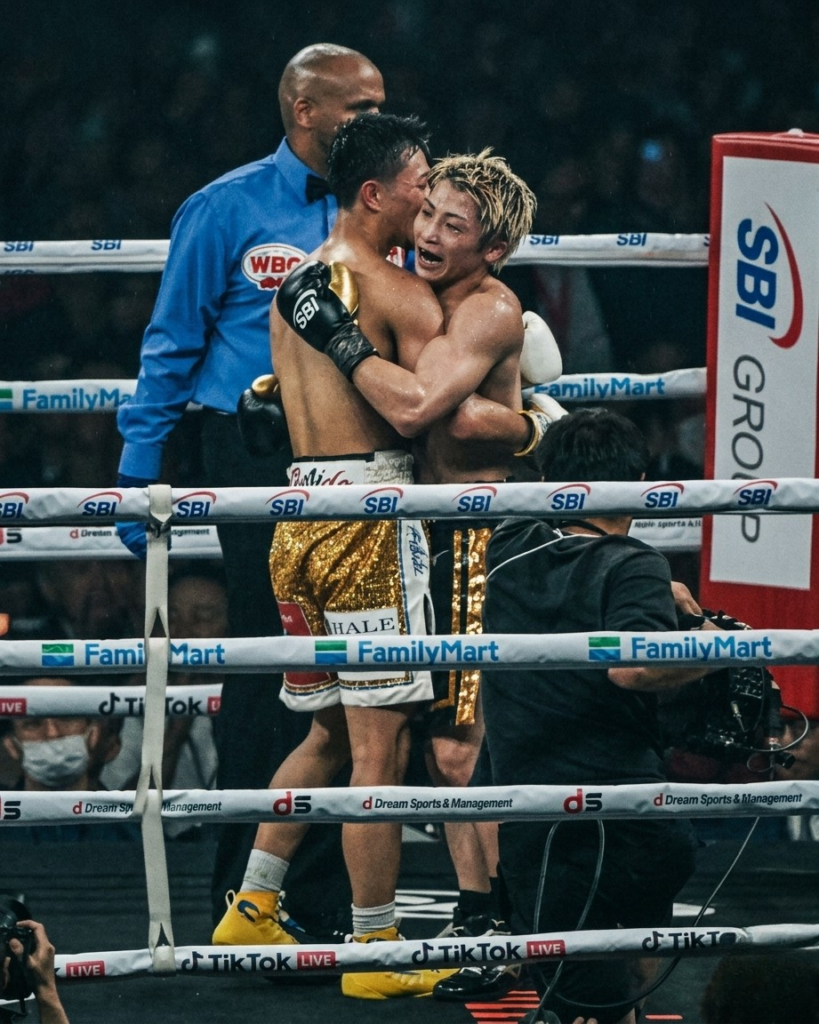
It wasn’t dominance. It was something rarer. It was proof that even when an opponent disrupts his rhythm, even when the geometry gets awkward and the counters are real, Inoue can still solve the puzzle. And Nakatani, in pushing him, made the champion’s brilliance shine sharper.
A beautiful, technical fight… one that deserves a sequel.